

Individual Psychotherapy
Learning to locate and strengthen your own internal resources.

Individual Psychotherapy
Psychotherapy is a process of learning to locate and strengthen your own internal resources. A therapist serves as a guide, providing a safe, grounded space and witnessing your unfolding process. The human psyche is vast, and none of us will ever uncover all of it. We rely on built-in defenses that allow us to live amongst others and protect us from becoming overwhelmed by our inner experience. These defenses help us function, but when we become imbalanced, we may feel disconnected from ourselves, others, and the world around us. This can lead to feelings of emptiness, overcompensation, or patterns involving overdependence on alcohol, drugs, relationships, work, material things, politics, religion, and so on.
Therapy is not about being given advice. Instead, a skilled psychotherapist helps you open internal doors so you can safely uncover what may be happening within. Sometimes therapy feels like dumping out the pieces of a large puzzle. Slowly, the pieces begin to fit, and you start to understand yourself in relation to others. Many people find themselves asking:
“Why did I say that?”
“Why did I do that?”
“Why am I here?”
“Am I where I belong, and with whom I belong?”
“Where am I going—and why?”
Ask anyone else, and they will answer from the perspective of their own needs, values, and beliefs—not yours. A skilled, disciplined psychotherapist helps you to hear your voice, discern yourself in relation to others, and access the resources buried inside.

Benefits of Working One-on-One, In Person with a Qualified Psychotherapist
A deeply attuned therapeutic relationship
In person work allows your therapist to pick up on subtle cues—tone, posture, energy shifts—that enrich understanding and strengthen connection.A safe, grounded physical environment
Being in the same room creates a sense of containment and stability that supports deeper emotional exploration.Fewer distractions and greater presence
Without screens, notifications, or technical interruptions, you can stay more fully engaged with your internal experience.More accurate emotional attunement
Nuances in facial expression, body language, and pacing are easier to perceive and respond to in person.A ritual of stepping into a healing space
Traveling to a therapist’s office creates a psychological transition that helps you shift into reflective mode.Enhanced trust and rapport
Sharing physical space often accelerates the development of trust, which is essential for meaningful therapeutic work.Support for processing difficult emotions
When challenging material arises, having a trained professional physically present can feel more containing and reassuring.Opportunities for experiential work
Certain therapeutic approaches—somatic awareness, grounding exercises, or relational experiments—are more effective in person.A stronger sense of accountability and commitment
Showing up in person reinforces your investment in your own growth and healing.
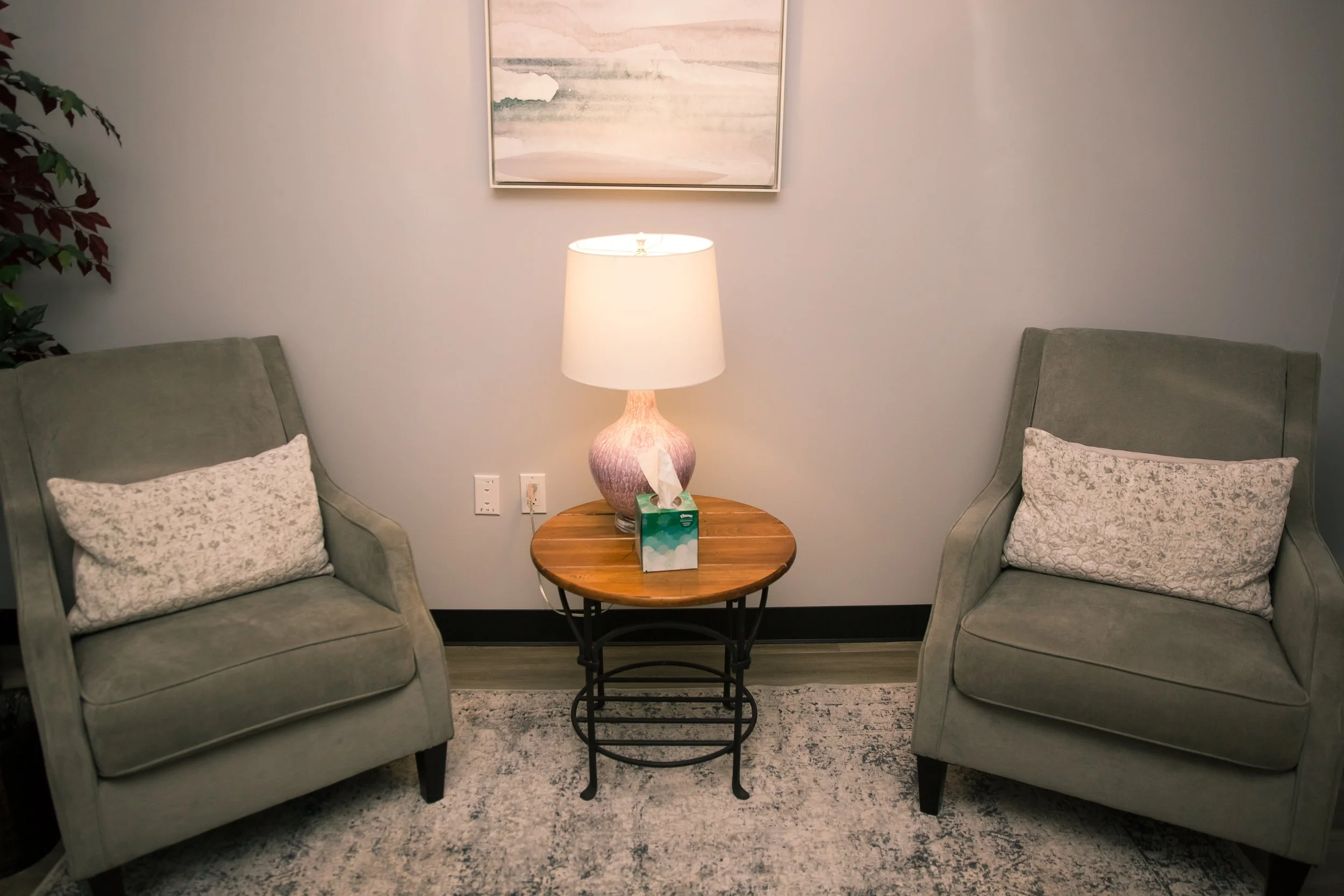
Psychotherapy is beneficial for individuals dealing with a wide range of emotional, relational, and behavioral challenges.
People often seek therapy when experiencing anxiety, depression, grief, trauma, or persistent patterns that feel difficult to change on their own. Others come because of relationship difficulties, identity concerns, life transitions, or a sense of disconnection or lack of purpose. Psychotherapy also supports individuals who appear outwardly successful yet feel internally overwhelmed, empty, or chronically stressed. Whether the concern is acute or long-standing, therapy offers a structured, private space to explore underlying dynamics, develop insight, and move toward a more grounded and authentic way of living.